Easy self service infrastructure for your container stack
Lokel empowers development teams with consistent cloud-cased development containers to take the pain out of product development.
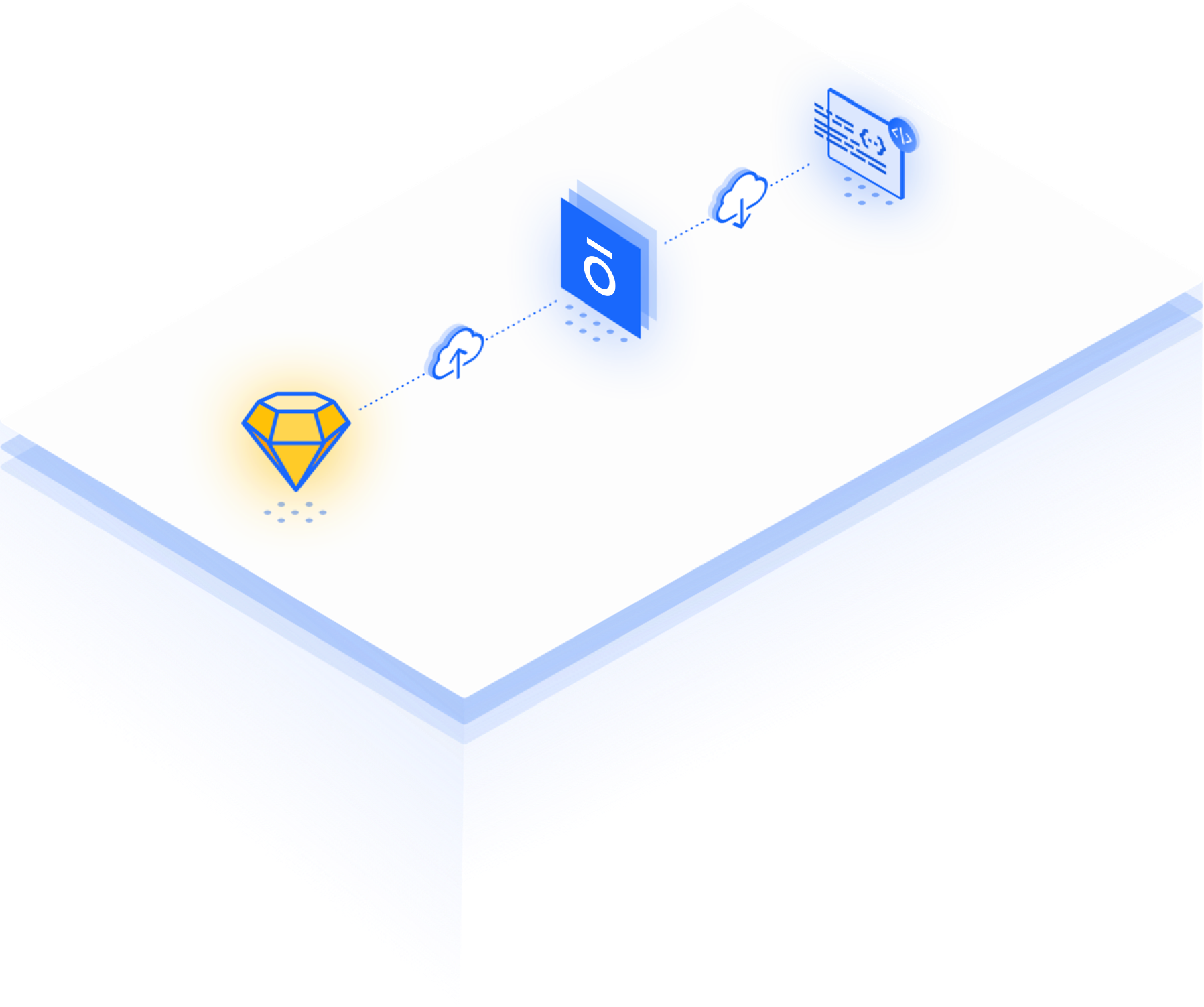
How Lokel Works
Create your account and download the Lokel plugin.
Use our CLI or web interface to deploy your stack.
Seamlessly connect to your containers for development.
Monitor, track, and auto-kill your development containers.
Features
Who is lokel for?
Quickly spin up a test backend stack to support your FE development.
Get quick access to high-powered graphics processing machines for quick and cost-efficient results
Quickly spin up a test frontend stack to support your backend development
Leverage seamless instantiation of Jupyter containers with high-powered backend VMs
Use GPU accelerated containers for your Tensorflow and PyTorch workflows
Quickly instantiate containers with all of the tools already provisioned
What can you do with Lokel?
Need your own on-prem solution?
Schedule a demo and we’ll walk you through our on-prem solution. Host everything from your own cloud.

Our Story
Why did we start Lokel?
We noticed that CI and deploy pipelines have become more seamless with containers, but development can still be frustratingly high friction and involve too much DevOps overhead. Lokel relieves these headaches by making it easy to instantiate dev environments.
What’s up with the name?
Lokel is the phonetic spelling of “local.” — It gives users the power of the cloud locally.